
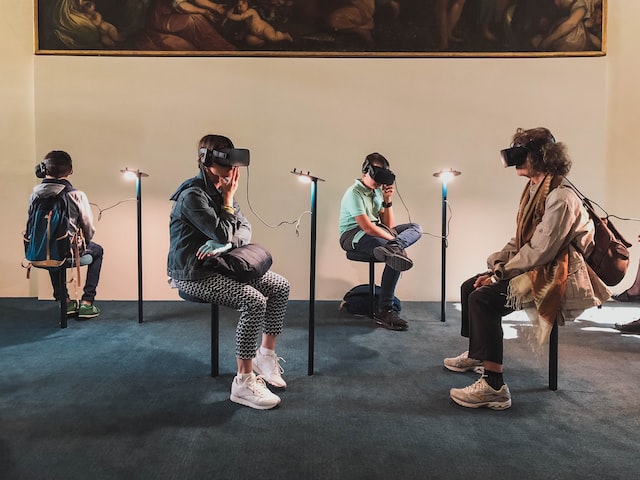
The future of extended reality (XR) is an exciting and rapidly evolving field that is set to transform the way we interact with the world around us. XR refers to a range of technologies that aim to enhance or augment our perception of reality, including virtual reality (VR), augmented reality (AR), and mixed reality (MR). These technologies have the potential to revolutionize industries such as entertainment, education, healthcare, and retail, as well as transform the way we work and communicate.
One of the biggest drivers of the future of XR is the increasing availability and affordability of XR hardware. In recent years, we have seen a proliferation of VR headsets, AR glasses, and MR headsets that allow users to fully immerse themselves in digital experiences. These devices are becoming increasingly sophisticated, with higher resolution displays and more realistic haptic feedback, making them more appealing to consumers and businesses alike.
As the technology continues to improve, we can expect to see a wider adoption of XR in various industries. For example, in the entertainment industry, XR could be used to create highly immersive and interactive experiences, such as virtual theme parks or concerts. In the education sector, XR could be used to create interactive and engaging learning experiences that allow students to explore and interact with virtual worlds. In healthcare, XR could be used to train doctors and surgeons, or to help patients overcome phobias and other mental health issues.
One of the most exciting applications of XR in the future is its potential to transform the way we work. With the rise of remote work and the increasing importance of digital communication, XR could provide a way for people to collaborate and communicate in a more natural and immersive way. For example, XR could be used to create virtual meeting rooms, where people from different locations can interact as if they were in the same physical space. This could greatly improve the efficiency and productivity of remote teams and allow for more collaboration between employees and clients
Another major factor driving the future of XR is the development of 5G networks, which will provide faster and more reliable internet connections for XR devices. This will allow for more data-intensive XR applications, such as streaming high-quality video and games, and enable real-time interactions between users in different locations
As XR technology continues to evolve, we can also expect to see the development of new input and output devices that will allow us to interact with virtual environments in more natural and intuitive ways. For example, we may see the development of gloves or other wearable devices that can detect hand gestures and allow us to interact with virtual objects in a more realistic way.
Overall, the future of XR is bright and full of possibilities. As the technology becomes more sophisticated and widely adopted, it has the potential to transform industries and change the way we live and work. The potential applications of XR are endless, and I can’t wait to see what the future holds.